
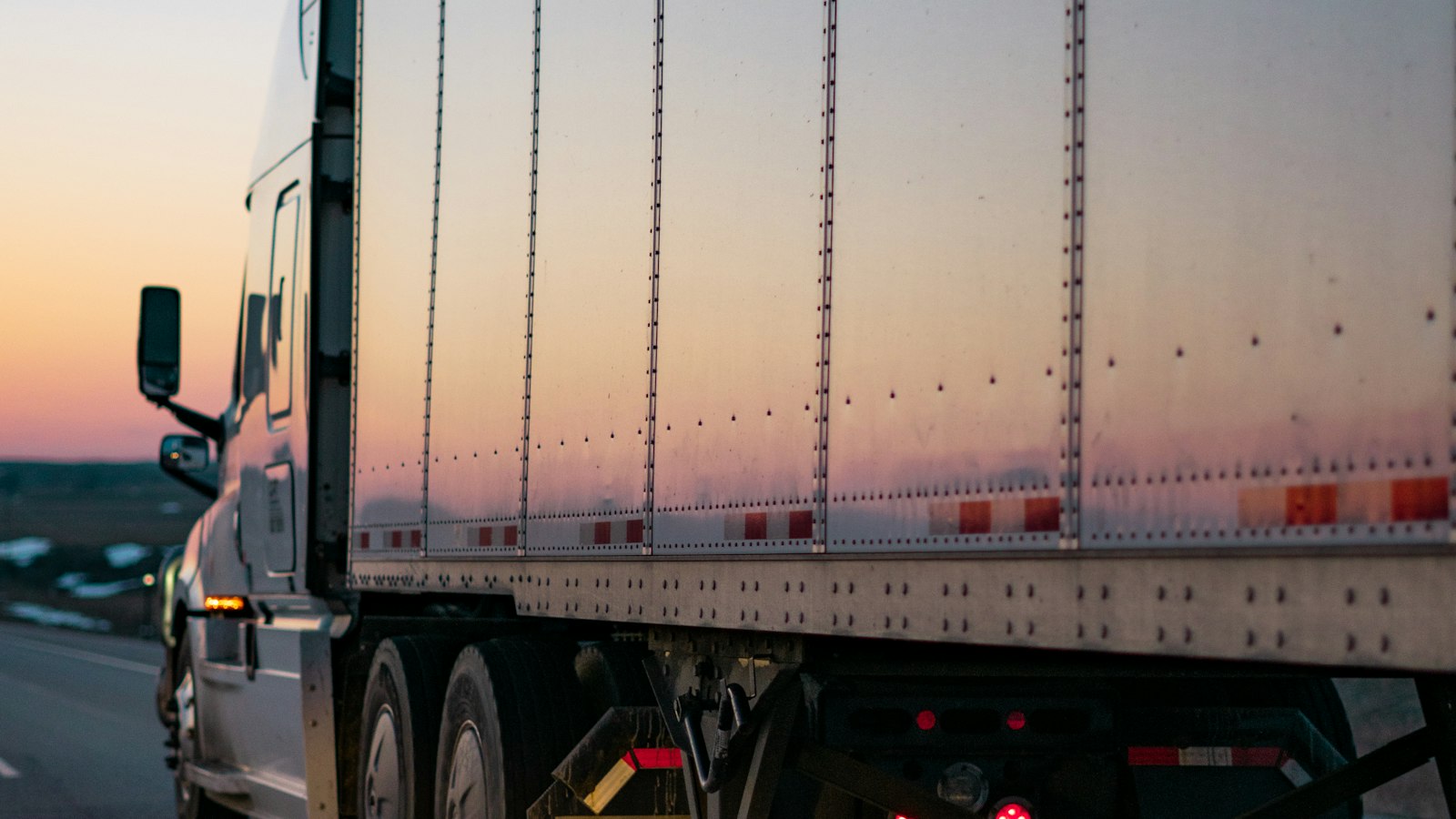
Canada has become an attractive market for exporters across Latin America. Mexican auto parts and produce, Brazilian machinery and coffee, Colombian flowers and Chilean wine all find buyers in Ontario, the country's largest provincial economy. For a Latin American exporter or the Canadian importer buying from them, one decision shapes the customer experience more than almost any other: which freight partner handles the goods once they reach Canada.
How Latin American Freight Reaches Ontario
Goods from Mexico frequently travel north by truck, crossing into the United States and then entering Canada at Ontario border points such as Windsor, Sarnia or the Niagara crossings. Shipments from South America and Central America more often travel by ocean container, landing at ports on the US East Coast or in Montreal, Halifax or Vancouver before moving inland by rail or truck. Some freight combines both, with a container arriving by sea and finishing its journey on a Canadian truck.
That variety means an Ontario freight partner may need to handle cross-border trailers, ocean containers coming off rail at GTA terminals and domestic deliveries to stores, plants or distribution centres. Few shippers want to manage three different vendors for those steps.
What to Look for in a Canadian Freight Partner
Asset ownership
Ask whether the company owns its tractors, trailers and chassis. An asset-based carrier can usually commit capacity more reliably than a company that resells space on other fleets. That reliability matters most during peak seasons, when capacity tightens across North America.
Container experience
If your goods travel in ocean containers, your partner should know how GTA rail terminals operate, how to book appointments and how to manage free time and per diem. Carriers offering intermodal freight transport from rail ramp to final delivery can keep a container moving without extra hand-offs.
Customs coordination
Every shipment entering Canada must be reported to and released by the Canada Border Services Agency. Your customs broker usually handles the filings, but your trucking partner needs to coordinate closely with them so pickups happen as soon as goods are released. The CBSA importing pages are a useful starting point for understanding importer responsibilities.
Storage and flexibility
Produce, flowers and seasonal goods often arrive in waves. A partner with a secure, monitored yard can hold loaded containers or trailers until the receiving warehouse is ready, which can be much cheaper than letting storage fees build at a terminal.
Communication across time zones and languages
Many Latin American exporters work closely with Canadian importers through English and Spanish or Portuguese. Clear, written updates on pickup, delivery and any delay help everyone along the chain. Ask how the carrier shares status updates and who your daily contact will be.
Special Considerations by Product Type
Perishables
Fresh produce, flowers and some food products need temperature control and tight timing. Make sure your partner can access refrigerated equipment or coordinate with a reefer specialist, and confirm how long goods can wait before delivery.
Industrial and automotive parts
Manufacturing customers in Ontario often run lean inventory. A missed delivery can stop a production line. Look for a carrier with experience in scheduled, just-in-time deliveries and a track record with plants in the region.
Heavy or oversized machinery
Brazilian or Mexican machinery may need flatbed or step deck trailers and route planning for oversized loads. Confirm that your partner has the right equipment and understands provincial permit requirements.
Comparing Quotes Fairly
Freight quotes can be hard to compare because carriers bundle charges differently. Ask each provider to list line-haul rate, fuel surcharge, terminal fees, chassis rental, waiting time, storage and any border-related fees separately. Then compare total cost for a realistic monthly volume, not a single shipment.
It also pays to look beyond price. Ask about on-time performance, how claims are handled and how long the company has served shippers in Ontario. A carrier that has been operating for decades has likely seen most of the problems your freight might run into.
Building the Relationship
The strongest exporter and carrier relationships are built on shared information. Exporters who send booking details early, flag vessel or border delays quickly and share realistic forecasts help their carrier plan equipment and drivers. In return, a good carrier keeps them informed and protects capacity when the market gets busy.
If you are an exporter in Mexico, Brazil, Colombia or Chile selling into Ontario, or an Ontario importer buying from the region, take time to choose a logistics company in Canada with its own fleet and terminal access. A dependable partner on the Canadian side turns a long international supply chain into something your customers can rely on.
Key Takeaways
- Latin American freight reaches Ontario by truck, ocean container and rail, often in combination.
- An asset-based Canadian carrier with container and cross-border experience reduces hand-offs.
- Customs coordination and yard storage options protect against costly delays.
- Compare itemized quotes on realistic volume, and weigh service record as heavily as price.