
The path to lasting recovery from addiction rarely follows a straight line — and for the majority of people seeking treatment, that path begins with two critical interventions: medical detoxification and integrated dual diagnosis treatment. Understanding why these two components are foundational to effective addiction care helps patients and families make better decisions when choosing a treatment program.
Medical Detox: The Necessary First Step
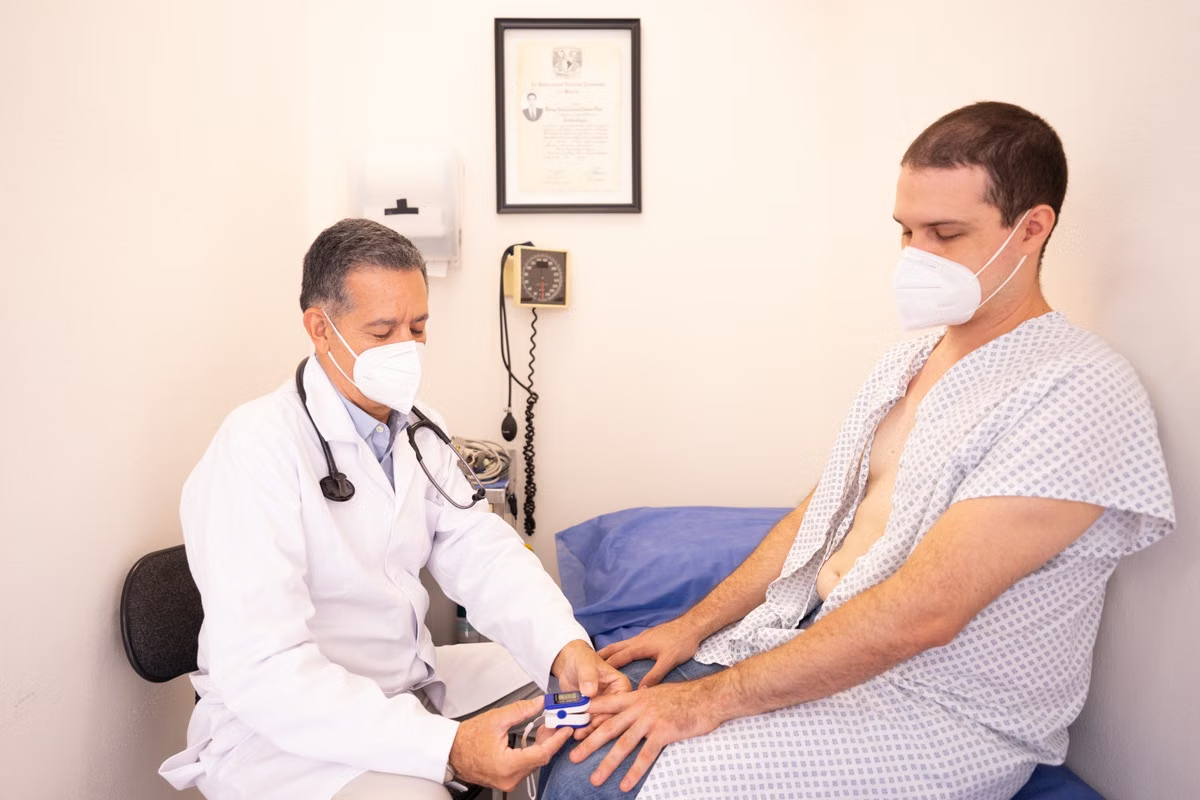
For individuals with physical dependence on alcohol, opioids, or benzodiazepines, attempting to stop without medical supervision can be dangerous — and in the case of alcohol and benzodiazepines, potentially life-threatening. Withdrawal symptoms can include severe anxiety, seizures, cardiovascular complications, and delirium. Medical detoxification provides around-the-clock monitoring and medication management to ensure the withdrawal process is safe, as comfortable as possible, and medically supervised.
Medical detox in Los Angeles at specialized treatment centers uses evidence-based medication protocols to manage withdrawal symptoms while preparing patients physically and psychologically for the next phase of treatment. Detox alone is not treatment — it is the necessary first step that makes genuine therapeutic work possible.
Dual Diagnosis: Why Integrated Treatment Produces Better Outcomes
Research consistently demonstrates that the majority of people seeking addiction treatment have co-occurring mental health conditions: depression, anxiety disorders, PTSD, bipolar disorder, ADHD, and others. These conditions and substance use disorder are not independent problems — they interact, reinforce each other, and share underlying neurobiological mechanisms.
Treatment programs that address only the addiction while ignoring co-occurring mental health conditions have significantly higher relapse rates than integrated dual diagnosis programs. When the underlying drivers of substance use — trauma, untreated depression, chronic anxiety — go unaddressed, the return to using is often a matter of time rather than a question of willpower.
What Integrated Treatment Looks Like
Effective dual diagnosis programs treat both conditions simultaneously with a unified clinical team. Psychiatrists manage medication for mental health conditions. Licensed therapists deliver evidence-based psychotherapy — CBT, DBT, EMDR, and trauma-informed approaches — addressing both addiction patterns and underlying psychological factors. Group therapy provides peer support and perspective. Holistic modalities including mindfulness, yoga, and somatic therapies support nervous system regulation and emotional processing.
Addiction recovery in Los Angeles at evidence-based treatment centers uses this integrated model as the clinical standard — treating the whole person rather than isolated symptoms.
Aftercare: Sustaining Recovery Beyond Residential Treatment
The transition from residential treatment to independent living is one of the highest-risk periods in early recovery. Strong aftercare planning — including step-down levels of care (partial hospitalization, intensive outpatient), sober living arrangements, ongoing therapy, peer support, and community connection — dramatically reduces relapse risk during this critical transition period.