
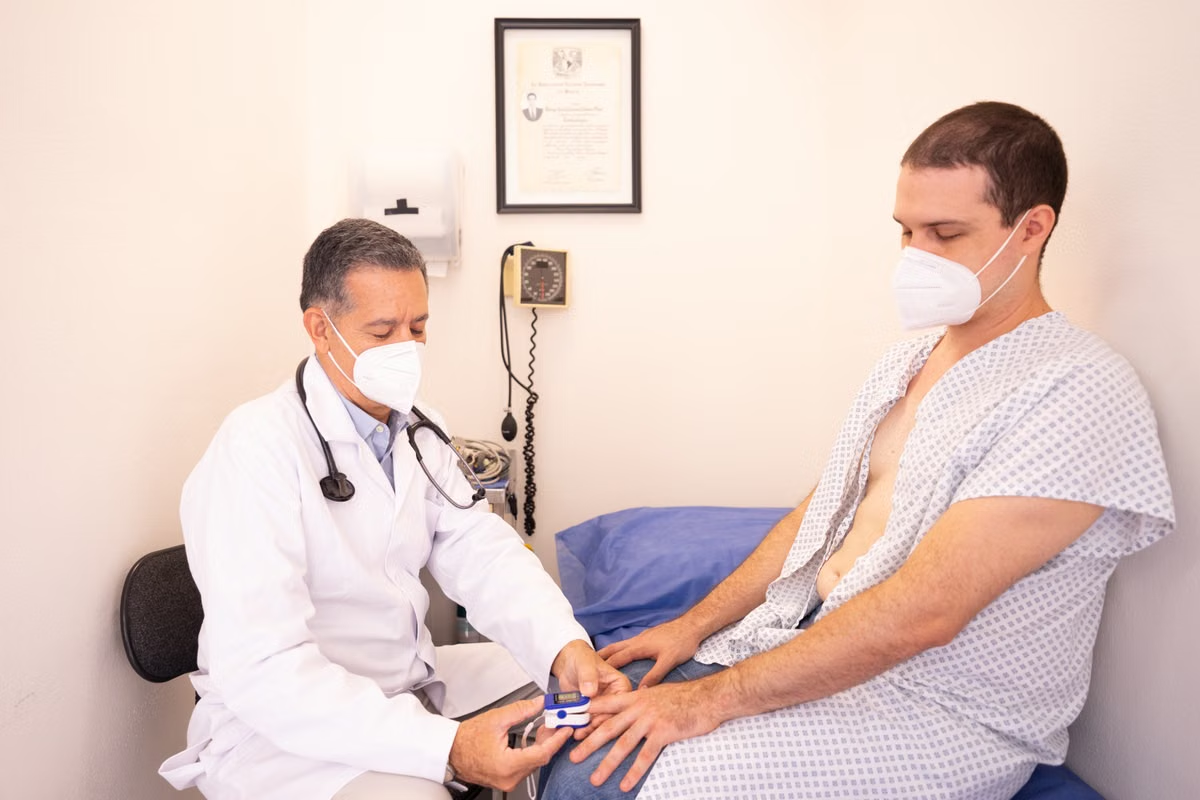
When a sudden injury or illness hits, the first question is usually where to go. In a city as large as Los Angeles, the answer can change how long you wait, what you pay, and how quickly you start feeling better. This guide explains how to choose between an urgent care clinic and a hospital emergency room, so you can make a calm decision when you are under stress.
What urgent care is designed to handle
Urgent care sits between a regular doctor visit and the emergency room. It is built for problems that need attention today but do not threaten life or limb. Most clinics accept walk-in patients, which makes them useful when your own doctor cannot see you quickly or when the problem starts in the evening or on a weekend.
Common reasons people visit include colds, flu symptoms, sore throats, ear pain, urinary tract infections, minor cuts that may need stitches, sprains, mild asthma flare-ups, rashes, and mild dehydration. Many clinics also run quick tests on site, such as rapid strep and flu checks, so you can leave with a diagnosis and a treatment plan in one visit.
Patients searching for urgent care in Los Angeles will find that clinics differ in what they offer, so it helps to check a clinic's own website or call ahead to confirm that it treats your type of problem before you travel.
When the emergency room is the right call
Emergency rooms exist for conditions that could cause death or permanent harm. They are staffed and equipped for surgery, advanced imaging, and rapid stabilization at any hour. Call 911 or go to the nearest emergency room right away if you or someone near you has any of these warning signs:
- Chest pain or pressure, especially with sweating, nausea, or pain spreading to the arm or jaw
- Trouble breathing or struggling to speak in full sentences
- Signs of a stroke, such as a drooping face, weak arm, or slurred speech
- Severe bleeding that does not slow after several minutes of firm pressure
- A sudden, severe headache unlike any you have had before
- Loss of consciousness, confusion, or a seizure with no known seizure history
- A serious head injury, major burn, or suspected poisoning or overdose
- A broken bone that has pierced the skin or a limb that looks badly out of place
If you are unsure whether symptoms are serious, treat them as an emergency. It is far better to be checked and told it was minor than to wait on something dangerous.
A simple way to sort your symptoms
When you are worried, a short set of questions can bring clarity. First, ask whether the problem could be life threatening. Second, ask whether waiting several hours could cause lasting harm. Third, ask whether the problem can likely be handled with an exam, a few basic tests, and perhaps a prescription.
If the answer to the first or second question is yes, go to the emergency room. If the first two answers are no and the third is yes, urgent care is usually a sensible choice. If your problem is mild and stable and you can wait a day or two, your regular doctor may be the best option of all because that office already knows your history.
Injuries and the role of imaging
Sprains, twisted ankles, and suspected small fractures are among the most common reasons people look for same-day care. The deciding factor is often whether the clinic can take pictures of the bone. A clinic with on-site X-ray services can often confirm or rule out a simple fracture during the same visit, which saves a second trip to a separate imaging center.
There are limits, though. A bone that is visibly out of place, numbness or a bluish color below the injury, or a wound with heavy bleeding belongs in the emergency room. Urgent care works best for stable injuries where you can still move the area, even if it hurts.
Cost and wait time considerations
For the same minor complaint, urgent care visits generally cost less than emergency room visits, and waits are often shorter. Emergency rooms see the sickest patients first, so someone with a mild problem may wait much longer than expected. Insurance plans handle these two settings differently, with separate copays and sometimes separate rules, so it is worth reading your plan summary before you need it.
Do not let cost stop you from going to the emergency room in a true emergency. Delaying care for a serious problem can lead to worse outcomes and higher bills later.
What to bring to any visit
A little preparation makes any visit faster and safer. Gather these items if you can do so without delay:
- A photo ID and your insurance card
- A list of current medications, including doses and supplements
- A list of known allergies, especially to medicines
- The name and number of your regular doctor
- A way to pay any copay
- For children, vaccination records and the name of the pediatrician
Keeping a note on your phone with this information means you are ready even when the visit comes without warning.
What to do after you leave
Good care does not end at the door. Read your discharge papers carefully and ask about anything unclear before you go. Fill prescriptions promptly and take them exactly as directed. Watch for the return precautions your provider lists, which describe symptoms that mean you should come back or go to the emergency room.
Finally, share the visit with your regular doctor. A short follow-up helps them update your records and catch anything that needs longer-term attention, such as a repeated infection or a joint that keeps getting injured.
The bottom line
Choosing between urgent care and the emergency room comes down to how serious the problem is and how fast you need help. Life-threatening symptoms always go to the emergency room. Everyday illnesses and minor injuries that cannot wait for a regular appointment are usually well suited to an urgent care clinic. Learn the warning signs now, keep your health information handy, and you will be ready to act with confidence when the moment comes.